
Shopping & Souvenirs in Cappadocia
From handmade ceramics to carpets — the most beautiful souvenirs you can take from Cappadocia.

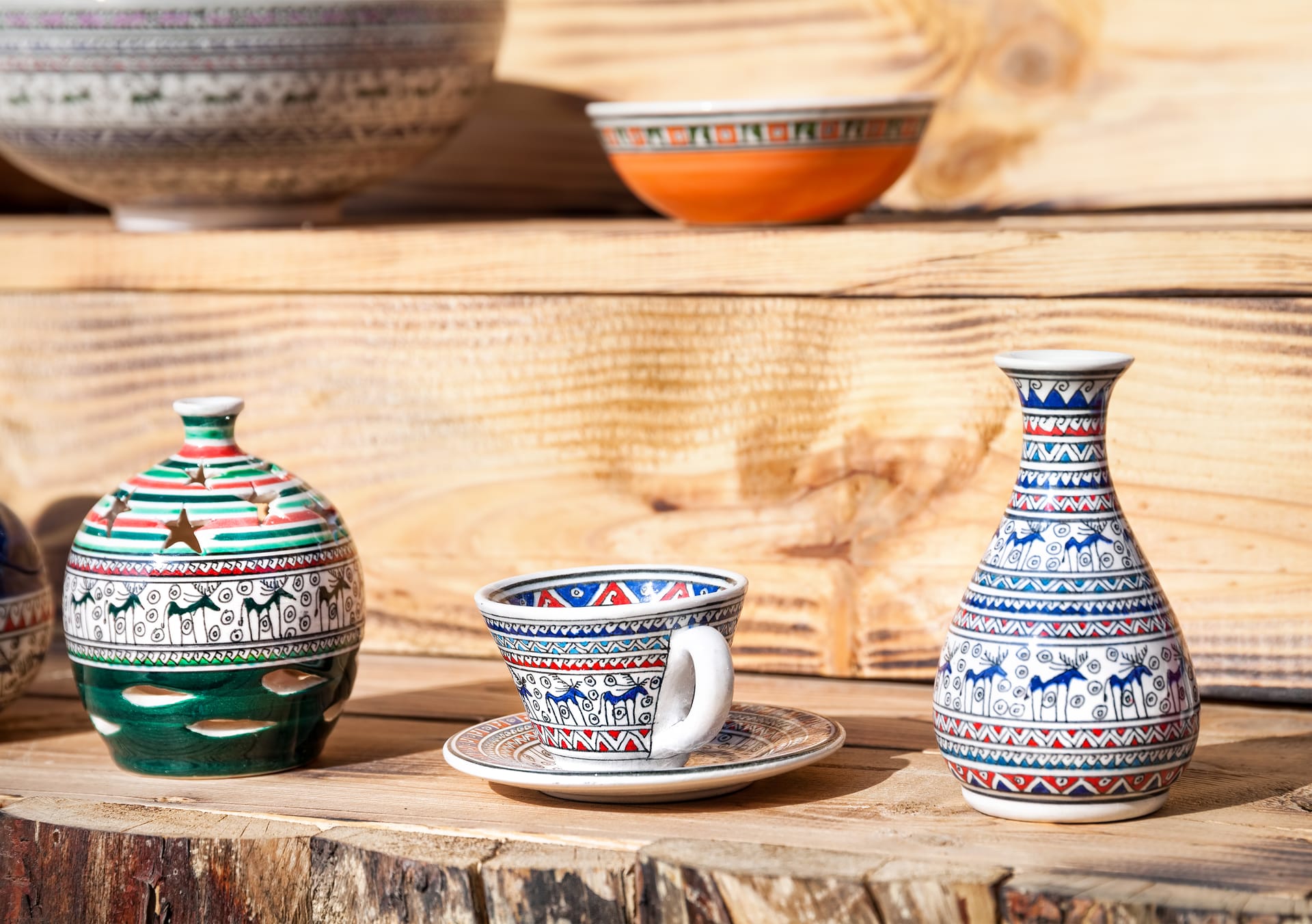
When you return home from your Cappadocia visit, you want to carry more than just photographs — you want a piece that holds the spirit of this land. The region is rich with craft traditions stretching back centuries, from ceramics to carpets, wines to natural stone products. In this guide, we share the most valuable and authentic souvenirs you can take from Cappadocia and what to look for while shopping.
As photographers, we know every corner of the region. Our clients frequently ask us after a shoot, "Where should we shop?" This article contains recommendations distilled from years of local knowledge.
Avanos Ceramics and Pottery
The town of Avanos on the banks of the Kizilirmak River has been known as a pottery center since the Hittite era. The red clay carried by the river is a raw material unlike anything else in the world. The town has dozens of workshops, many of which offer hands-on experiences where you can make your own pot.
Several things make Avanos ceramics special: the hand-painted patterns are unique to the region — particularly the red and turquoise geometric motifs that define Cappadocia's characteristic style. The way to identify quality Avanos ceramics is to examine the painting details. Factory products have uniform, repetitive patterns; handmade pieces show slight variations in each motif with visible brushstrokes.
Small bowls and plates are easy to carry and make lovely gifts. Larger pieces — pitchers, vases, decorative plates — can usually be shipped from the shop. If you are concerned about fragility, ask experienced sellers for help with packaging.
Shopping tip: Beyond the shops on Avanos's main street, explore the small workshops in the back streets. You will generally find more affordable and more authentic pieces. Watching a potter work at the wheel is an experience in itself.
Cappadocia Carpets and Kilims
Turkish carpets are world-renowned, and Cappadocia is one of the most established centers of the carpet trade. Carpets sold in the region generally fall into two categories: handwoven traditional carpets and factory-made modern carpets.
Handwoven carpets are investment pieces passed down through generations. They may be wool, cotton, or silk. Those colored with natural dyes are particularly valuable — traditional materials like walnut shell, indigo, and madder root are used. The simplest way to assess a handwoven carpet's quality is to check the knot count — the higher the number of knots per square centimeter, the finer the craftsmanship.
Carpet shopping requires patience. A good carpet dealer will seat you, offer tea, and spread dozens of carpets before you. Do not rush this process — buying a carpet in Cappadocia is a cultural experience. Bargaining is expected and normal.
Other Recommendations
Cappadocia wines: The region is one of Turkey's oldest wine-producing areas. Volcanic soil gives the grapes a mineral character. Emir (white) and Okuzgozu (red) are local varieties. You can do tastings at small vineyard houses around Urgup.
Natural stone products: Decorative objects made from onyx and travertine — candleholders, chess sets, jewelry boxes — are both beautiful and durable gifts.
Local food products: Grape molasses, dried apricots, tarhana, various spices — these are lightweight and long-lasting gift options. Cappadocia's apricots in particular are known worldwide.
Handmade jewelry: Evil eye motif jewelry, silverwork, and pieces made with natural stones are popular choices. You can find unique items at boutique shops in Urgup and Goreme.
You can combine your shopping tour with a full-day Cappadocia experience. Among our experiences, there are options that offer the chance to explore different corners of the region. Check our packages for transportation options.
Is bargaining expected when shopping?
Yes, especially in carpet, ceramic, and souvenir shops — bargaining is a natural part of Turkish culture. Negotiate respectfully and with a smile. Fixed-price shops generally do not expect bargaining.
Will I have problems at customs?
Modern handicrafts and souvenirs pose no issues. However, older carpets or items that might be classified as antiques may require an export permit. Ask the seller for an invoice and any necessary documentation.
Can I have items shipped?
Many shops offer international shipping for large and fragile items. This is particularly practical for carpets and large ceramic pieces. Ask about shipping costs in advance and purchase insurance.
Explore Related Experiences


Your story begins in Cappadocia
We'll craft something timeless—quiet, elegant, and cinematic.
Explore Experiences